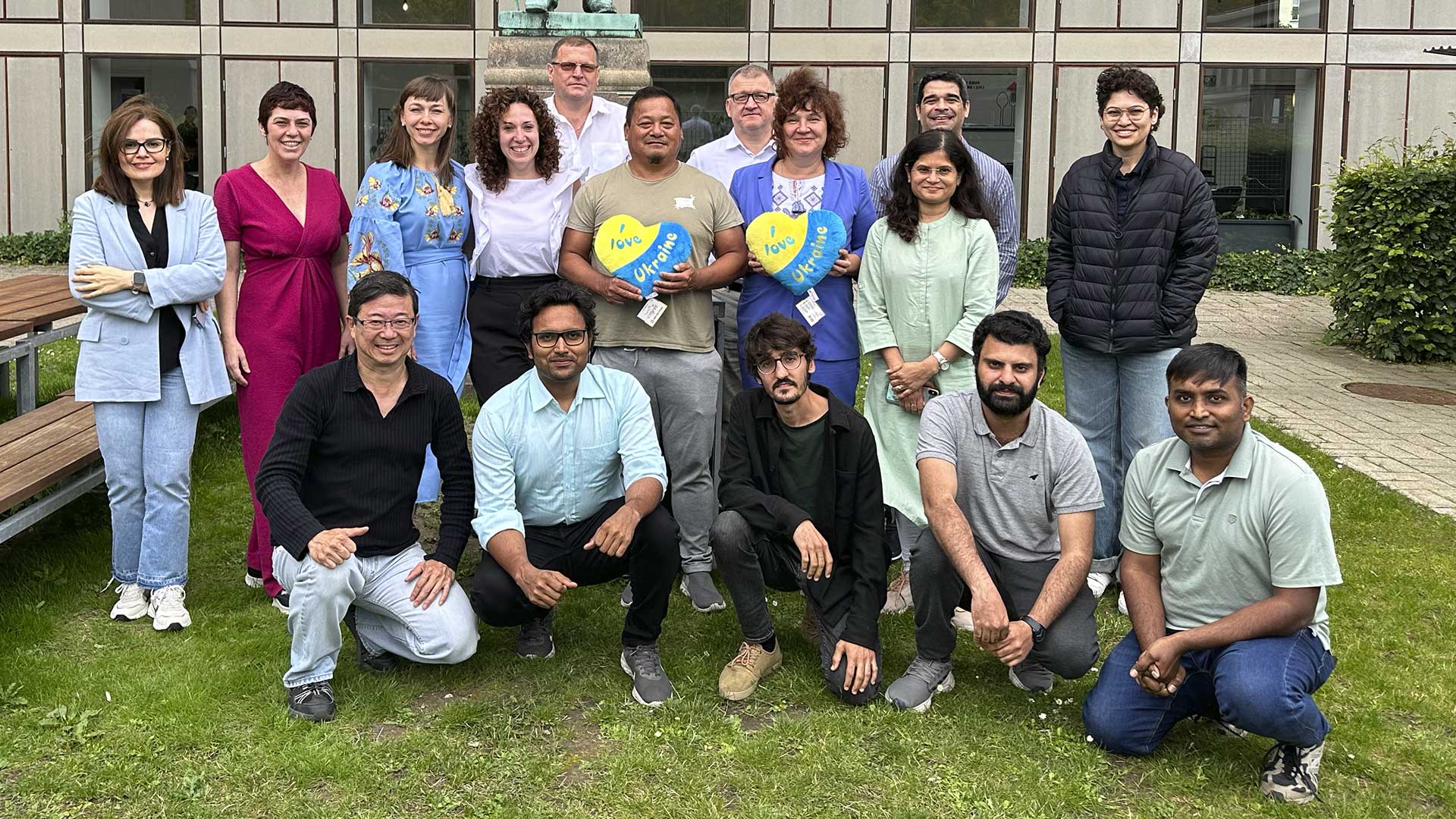
The researchers who participated in the second annual meeting of the ECOtwins project in Copenhagen. / Photo: ECOtwins
The UNESCO Chair in Life Cycle and Climate Change at ESCI-UPF participated in the second annual meeting of the ECOtwins project, held at the University of Copenhagen on July 18th and 19th.
The project also seeks to create a networking platform for sharing best practices in agroecological intensification to enhance scientific excellence and international cooperation. This partnership has received funding from the European Union’s “HORIZON-WIDERA-2021-ACCESS-03” research and innovation program.
During this annual meeting, Dr Sahar Azarkamand, a researcher at the UNESCO Chair in Life Cycle and Climate Change at ESCI-UPF, presented the results of the life cycle assessment and environmental impacts of various biostimulants and biofertilizers produced for this project.
As the world population increases, the demand for food and agricultural products is projected to rise substantially. It is estimated that nearly half of the global population today relies on synthetic fertilizers for food production, underscoring their indispensable role in agriculture. The increasing demand for agricultural products has also led to the generation of massive amounts of biowaste. The high amount of waste generated, coupled with GHG emissions, underscores the need for innovative uses for this waste. The transition towards a circular economy presents a transformative approach to addressing these issues.
Biofertilizers and biostimulants are increasingly recognized as sustainable agricultural options that contribute to circularity. This perspective aligns with the European Commission’s Green Deal and the Farm to Fork strategy, which both emphasize sustainable agricultural practices.
This research evaluated and compared the environmental impacts of eight biofertilizers and biostimulants, including various types of compost, insect frass, digestate, biochar, and fish hydrolysate produced in Ukraine, Denmark, and Sweden using a life cycle assessment (LCA) approach. By analyzing the environmental impacts associated with these products, the research aims to provide valuable data that can guide the development of more environmentally friendly farming techniques. The findings are intended to help policymakers, researchers, and practitioners make informed decisions that reduce environmental harm and promote sustainability in agriculture.
This partnership has received funding from the European Union’s “HORIZON-WIDERA-2021-ACCESS-03” research and innovation program under the 101079308 grant agreement.
ESCI-UPF and Politecnico di Milano publish a joint research paper to help organisations and consumers, respectively, with policy and decision-making through the assessment of the social risks associated with different high-protein food alternatives.
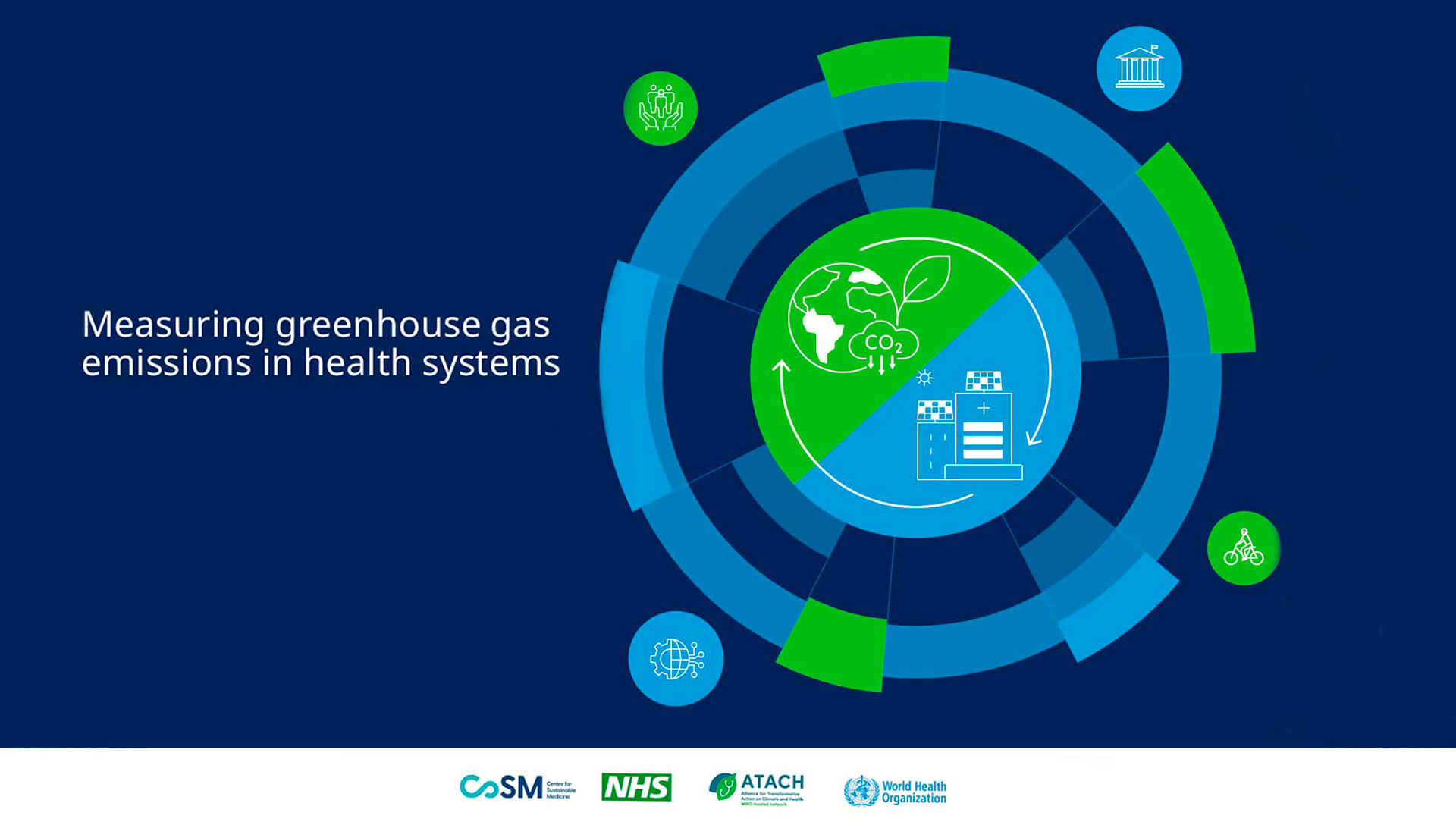
Researchers Marta Santamaría and Dr Ilija Sazdovski, from the UNESCO Chair in Life Cycle and Climate Change at ESCI-UPF, contributed to the newly released WHO guidance “Measuring greenhouse gas emissions in health systems” (World Health Organization, 2025).
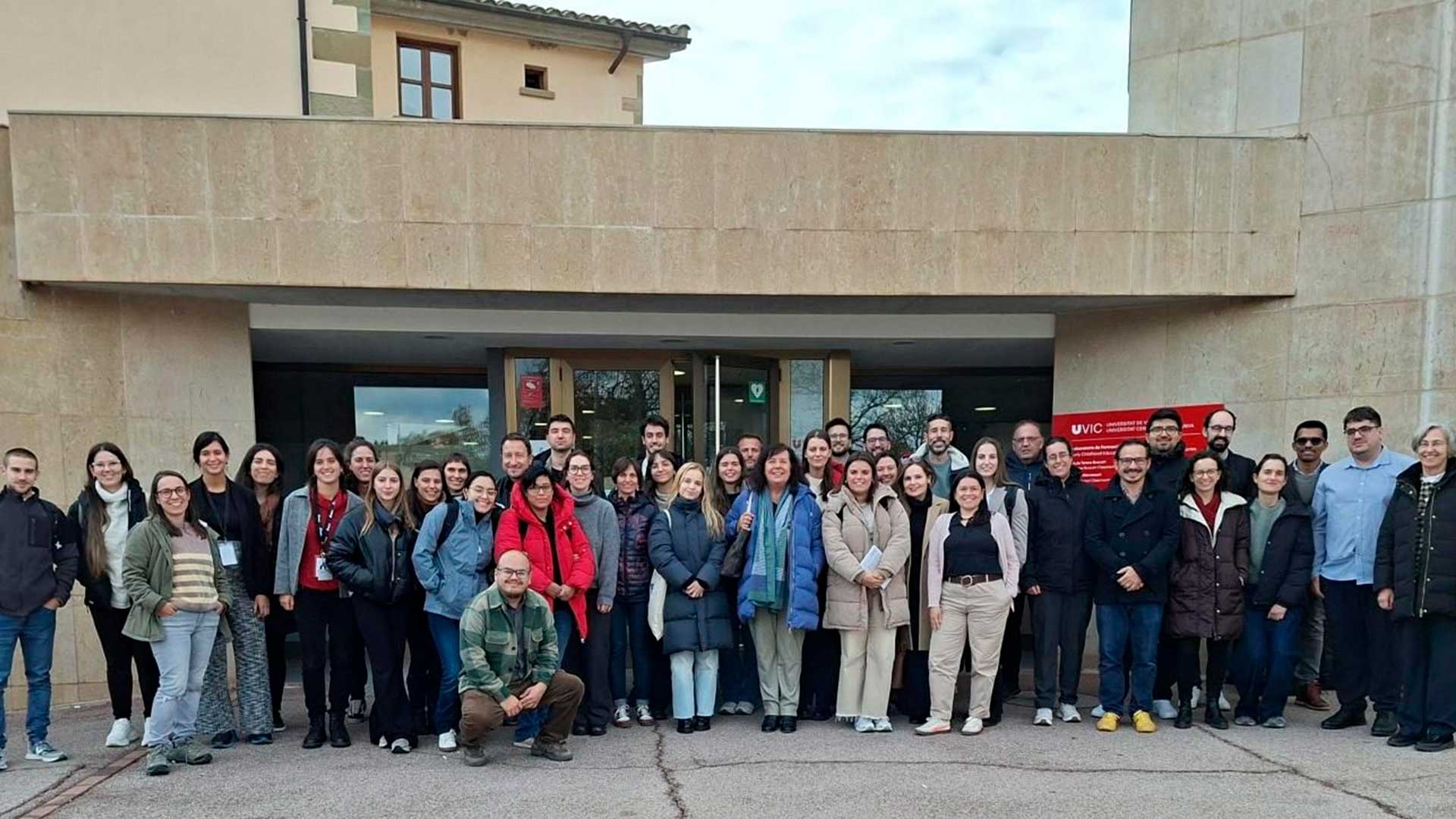
The UNESCO Chair in Life Cycle and Climate Change at ESCI-UPF participated in the event “Life Cycle Management in the Transition Toward a Sustainable Agri-Food Sector”, promoted by the Red Española de ACV was held in Vic (Barcelona) on 19 and 20 November 2025.



Leave a message